What Determines a Bike Race? The Key Factors Behind the Result

What Determines a Bike Race? The Key Factors Behind the Result
At first glance, a bike race might seem like a simple contest of who crosses the finish line first. But behind every result lies a complex mix of physics, tactics, teamwork, and external conditions. From wind direction and terrain to fitness levels and equipment, every detail matters. Here’s a look at the key factors that decide who ends up on the podium when the race is over.
The Terrain – The Race’s Natural Filter
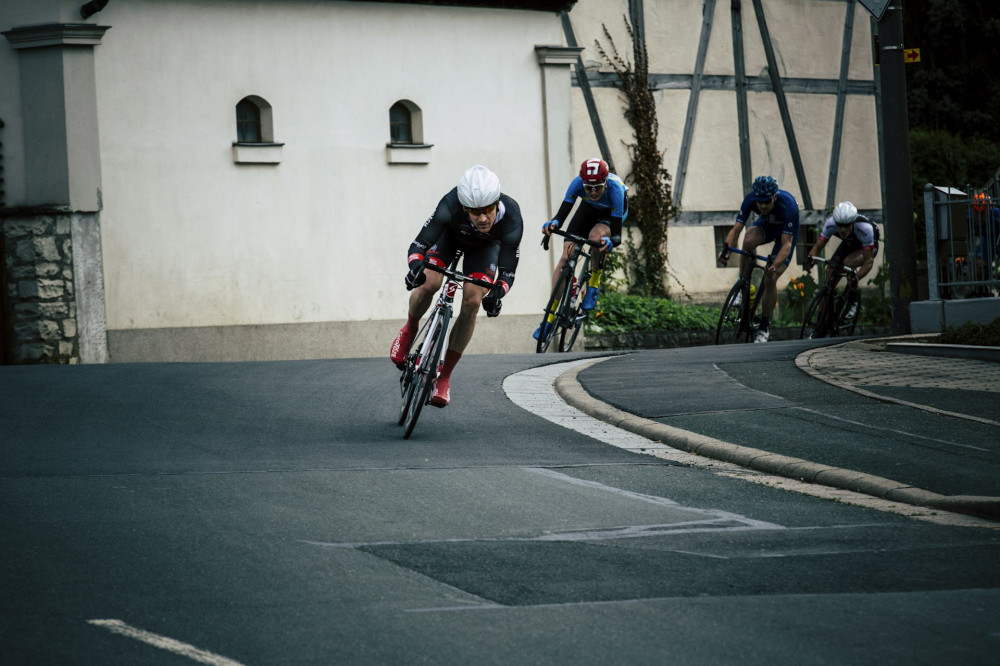
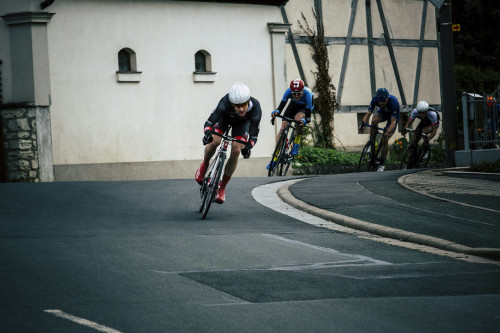
One of the most decisive elements in any bike race is the terrain. Flat stages favor sprinters, while mountainous routes give climbers their chance to shine. Cobbled sections, like those seen in the Spring Classics, demand strength, skill, and courage, while rolling hills reward riders with explosive power.
Teams study the course in detail long before race day, planning where to attack and where to conserve energy. Even small changes in elevation or road surface can completely alter the race dynamics.
Weather – The Invisible Opponent
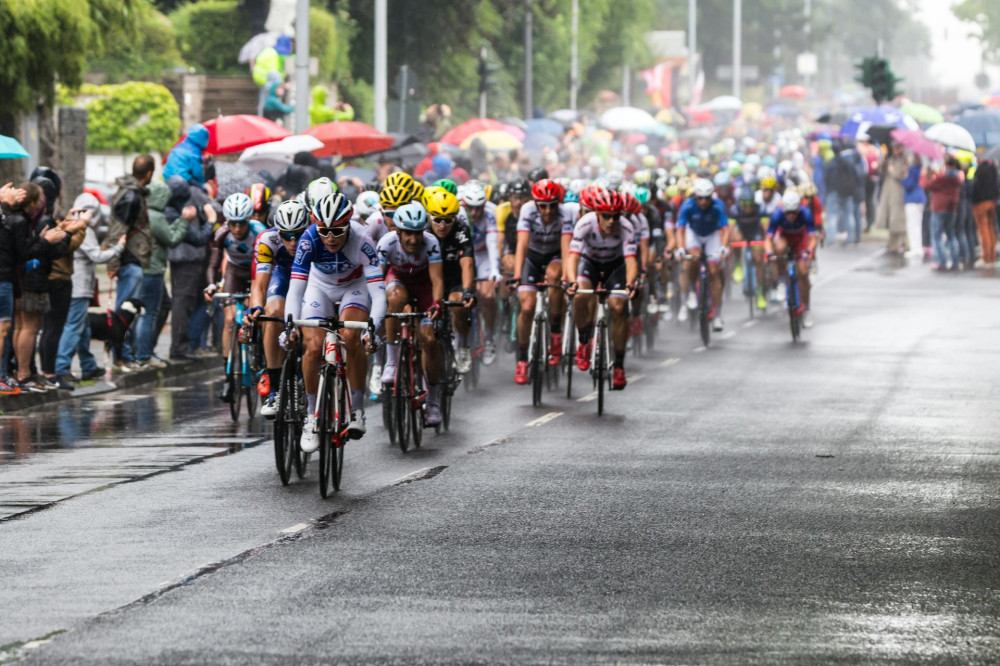
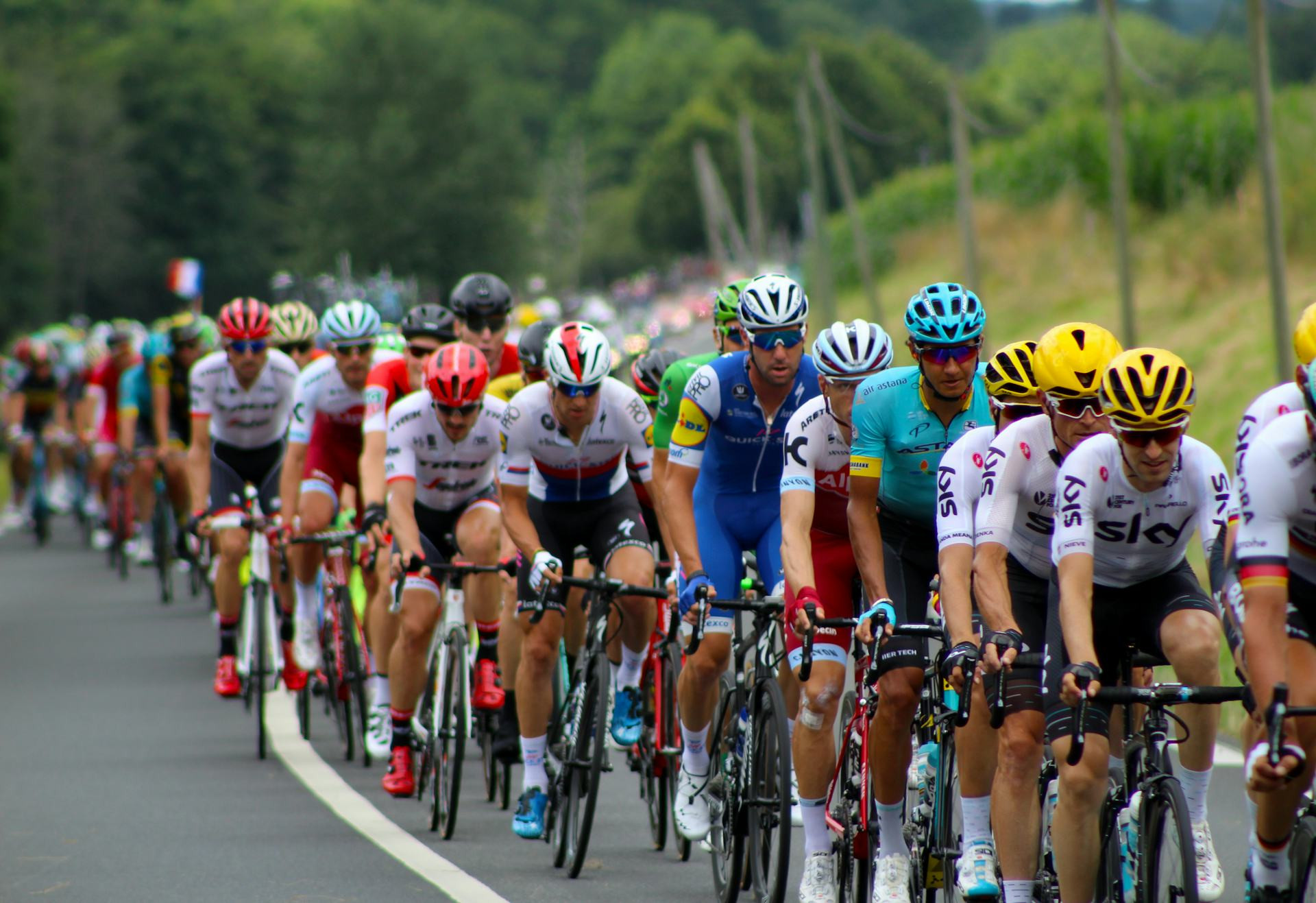
Wind, rain, and temperature can be just as influential as leg power. A strong crosswind can split the peloton into smaller groups, while rain makes the roads slick and increases the risk of crashes. In mountain stages, heat and humidity can drain energy, while cold and rain can stiffen muscles and slow reactions.
Experienced riders and teams use weather forecasts as part of their strategy. They position themselves carefully in the wind, choose the right clothing, and adjust hydration and nutrition plans to the conditions. Over the course of a long race, these decisions can mean the difference between victory and exhaustion.
Tactics and Teamwork – When Strategy Beats Strength
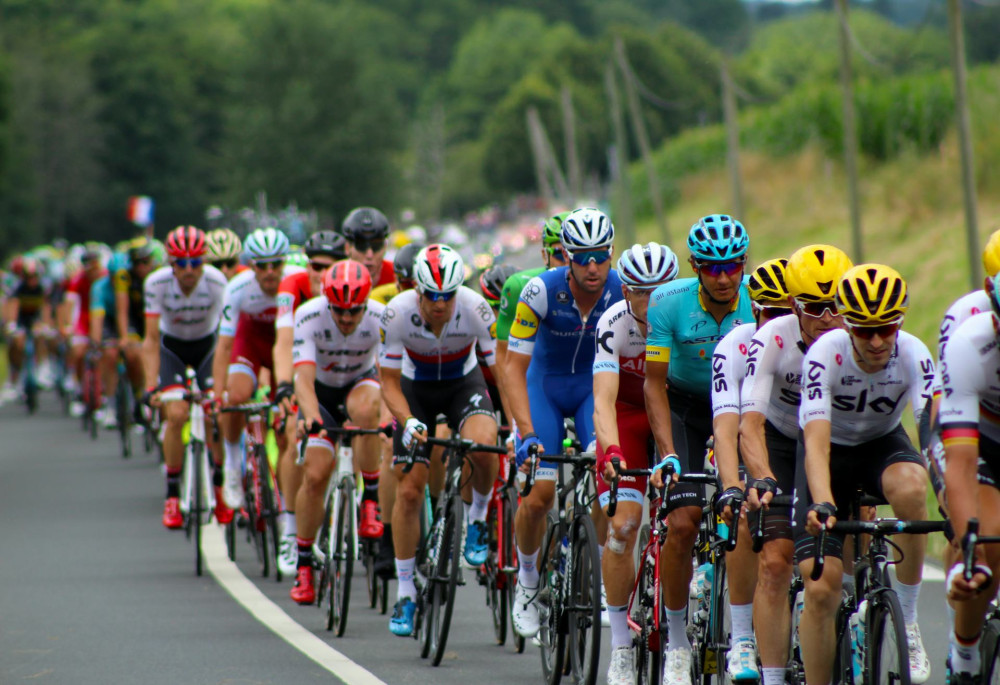
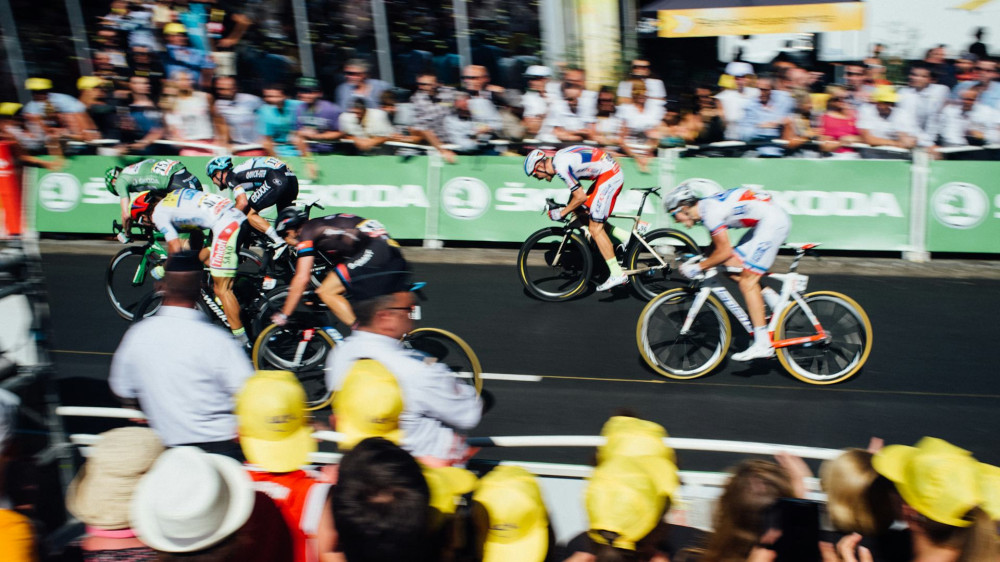
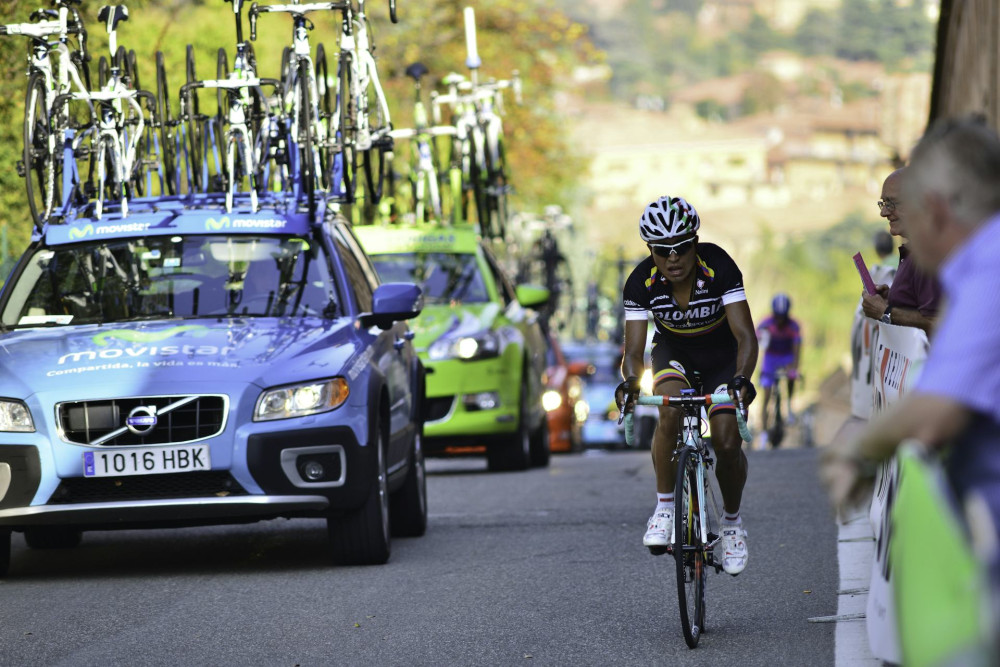
Cycling is a team sport disguised as an individual competition. Behind every winner stands a team that has worked tirelessly to create the right conditions. Teammates fetch water, shield their leader from the wind, and set the pace in the climbs. In the final miles, they can chase down breakaways or lead their sprinter into position for the decisive moment.
Tactical decisions—when to attack, who to collaborate with, and when to hold back—are often as important as physical strength. A well-coordinated team can neutralize stronger rivals, while poor communication can cost the race.
Physical Fitness and Recovery
A bike race, especially a stage race like the Tour de France or the Tour of California, is a test of endurance and recovery. Riders must perform at their limit day after day, often under extreme conditions. Training, nutrition, and sleep all play crucial roles in keeping the body balanced.
Modern teams rely on advanced data to monitor power output, heart rate, and recovery. Even small fluctuations in form can be decisive—a single bad day in the mountains can cost minutes that are impossible to regain.
Equipment and Technology
Cycling today is a high-tech sport. Aerodynamic bikes, lightweight materials, and precisely fitted positions can yield marginal gains that make all the difference. Tire pressure, gear selection, and energy products are carefully adjusted to match the route and weather.
Mechanics also play a vital role. A flat tire or mechanical failure at the wrong moment can ruin even the best-laid plan. Reliability and quick service are therefore essential parts of a team’s success formula.
Psychology and Experience
Mental strength often separates the best from the rest. The ability to stay calm, make quick decisions, and endure pain is crucial. Experienced riders know when to react—and when to wait.
In major races, the pressure can be immense, and many riders work with sports psychologists to strengthen focus and confidence. A winner is rarely just the strongest rider, but the one who believes most in their plan when it truly matters.
The Race Unfolds – The Unpredictable Element
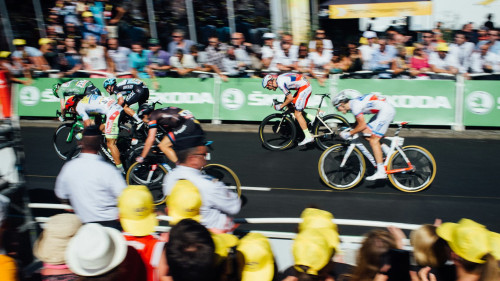
Even with perfect preparation, a bike race can take unexpected turns. A crash, a breakaway that gains too much time, or a tactical mistake can change everything. This unpredictability is what makes cycling so captivating—for both riders and spectators, the outcome is never certain until the very last meter.
Læs også:
Conclusion: Victory Is the Sum of Many Small Factors
A bike race is rarely decided by a single element. It’s the sum of preparation, strategy, fitness, equipment, and a touch of luck. The rider who best combines all these factors stands as the winner in the end. And that’s what makes cycling so fascinating—it’s a sport where human willpower, science, and nature’s unpredictability come together in one dramatic contest on two wheels.
Læs også: