Sprinters, Climbers, and Time Trialists – How Does Specialization Affect the Bookmaker’s Odds?

Sprinters, Climbers, and Time Trialists – How Does Specialization Affect the Bookmaker’s Odds?
In modern professional cycling, specialization has become a defining feature. Where riders once needed to be versatile across terrains, today’s peloton is divided into clear categories: sprinters, climbers, time trialists, and classics specialists. This evolution hasn’t just changed how teams plan their races—it’s also reshaped how bookmakers set their odds.
But how do bookmakers actually assess the chances of a rider who excels in only one discipline? And how can bettors use that knowledge to better understand the market?
Specialization Creates Predictability—and It Shows in the Odds
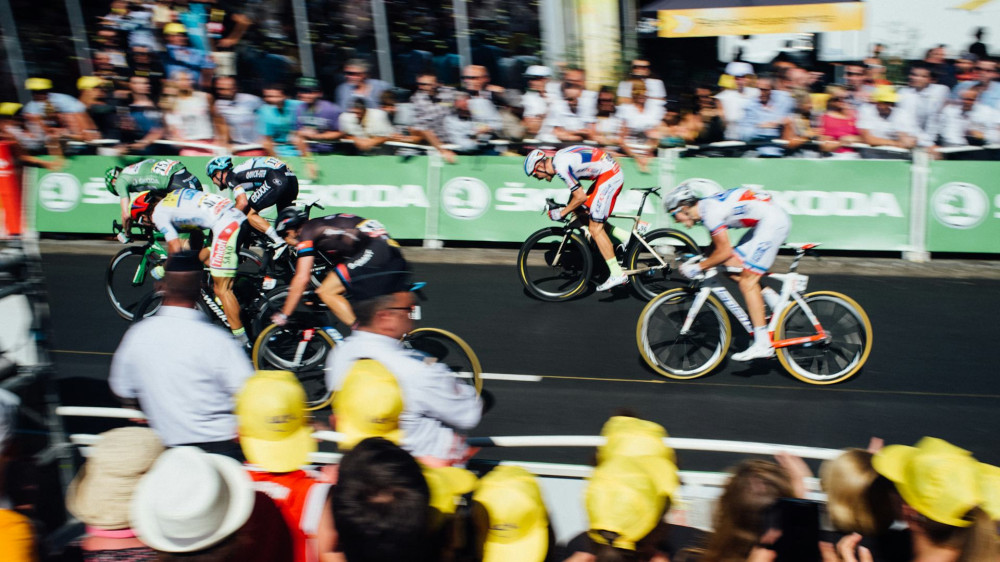
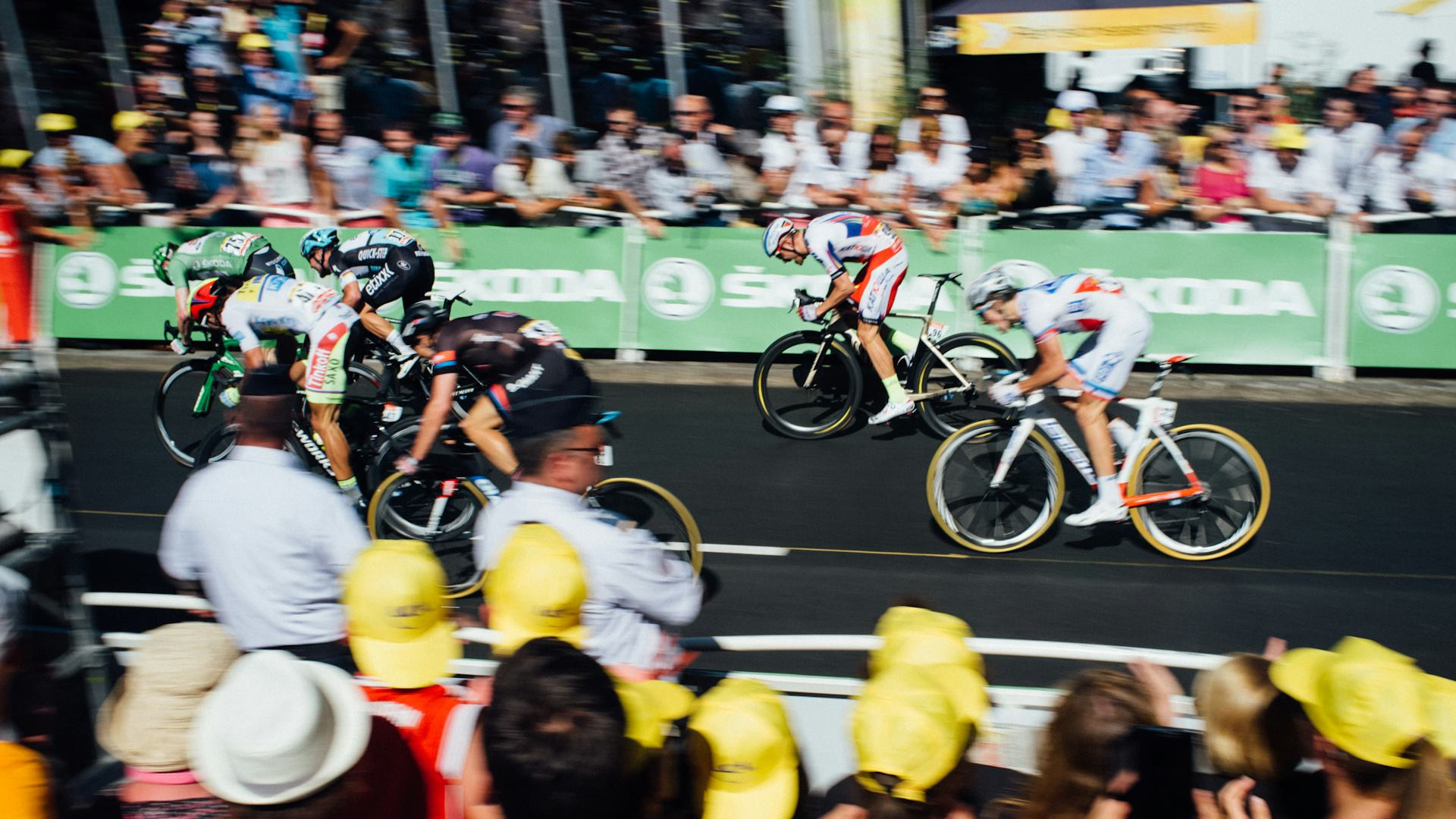
For bookmakers, everything comes down to probability. A sprinter like Jasper Philipsen or Fabio Jakobsen has a far greater chance of winning on a flat stage than on a mountain day in the Alps. As a result, their odds for a flat stage win are typically short—often below +200—while on a mountain stage they might soar to +50,000 or more.
This predictability makes it easier for bookmakers to model outcomes, but it also makes it harder for bettors to find value. When a rider’s strengths are so clearly defined, the market adjusts quickly. That means the most obvious bets rarely offer high returns.
Climbers and GC Contenders – Betting on Endurance and Momentum
Climbers and general classification (GC) riders like Jonas Vingegaard or Tadej Pogačar are evaluated on entirely different criteria. Here, form, recovery, and course profile play a much larger role. Bookmakers analyze data such as power output, past performances on similar climbs, and team support in the mountains.
In stage races like the Tour de France, odds on a GC contender can shift dramatically from day to day. A single bad day in the mountains can send a rider’s odds skyrocketing—but for the attentive bettor, that can be an opportunity. If you believe the rider simply had an off day, you might find value in odds that have drifted too far.
Time Trialists – The Underrated Specialists
Time trialists are often among the most undervalued riders in the betting markets. Individual time trials make up only a small portion of most stage races, but they can be decisive for the overall result. Bookmakers sometimes struggle to gauge just how much time a strong time trialist can gain on rivals.
This is where detailed knowledge can pay off. Understanding a rider’s aerodynamics, equipment choices, and how technical the course is can make all the difference. A powerhouse like Filippo Ganna might be the clear favorite on a flat time trial, but on a rolling course, a more versatile rider like Remco Evenepoel could have the edge—and the odds don’t always reflect that nuance.
Læs også:

Team Tactics and Race Dynamics – The Hidden Variables
Even though specialization makes it easier to predict who might perform well on a given stage, cycling remains an unpredictable sport. Team tactics, weather conditions, and breakaway dynamics can change everything. Bookmakers try to account for these factors, but it’s often in these unpredictable moments that the biggest surprises—and best odds—emerge.
Take, for example, a climber who gets the green light to join a breakaway on a medium mountain stage while the GC contenders mark each other behind. Suddenly, a rider with long odds has a realistic shot at victory—and the market may not have caught up.
How Bettors Can Use Specialization to Their Advantage
For those betting on cycling, the key is to understand riders’ strengths in context. A sprinter might be the favorite on paper, but if there’s a strong crosswind or a short climb near the finish, that could change everything. A climber who’s out of contention for the overall win might be a dangerous outsider in a breakaway.
By combining knowledge of specialization with insights into stage profiles, weather, and team strategy, bettors can identify situations where bookmakers have over- or undervalued a rider. That’s where small differences in understanding can turn into big differences in potential return.
A Sport in Constant Evolution—and a Market That Follows
Cycling is evolving rapidly. Advances in training, data analytics, and equipment have made riders more specialized than ever. Bookmakers are keeping pace, but the market still relies heavily on human judgment—and that means unpredictability remains part of the game.
For both fans and bettors, understanding specialization isn’t just about knowing who’s fast or who climbs well. It’s about seeing how each rider’s strengths and weaknesses interact with the race itself. That intersection—between human performance and race dynamics—is exactly where the odds are shaped, and where sharp eyes can still find value.
Læs også: