Before the Race: How to Evaluate the Key Factors of a Cycling Event


Before the Race: How to Evaluate the Key Factors of a Cycling Event
Evaluating a cycling race is about much more than picking the favorites. Every event has its own character, and small details can determine who ends up on the podium. Whether you follow cycling as a passionate fan or analyze races for betting or fantasy leagues, understanding the factors that shape the outcome is essential. Here’s a guide to assessing the key elements of a cycling event — from the course and weather to form, team tactics, and motivation.
The Course – The Race’s DNA
The course is the first thing to study. It reveals what type of rider is most likely to succeed.
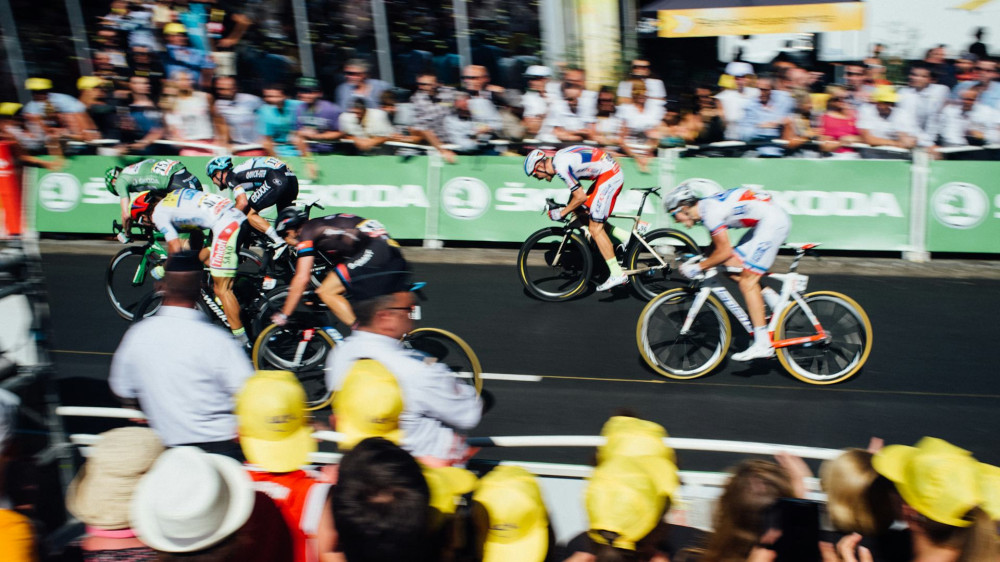
- Flat stages favor sprinters who can unleash explosive power in the final meters.
- Rolling terrain suits puncheurs — riders who thrive on short, steep climbs.
- Mountain stages belong to climbers, where endurance and weight-to-power ratio are decisive.
- Time trials reward riders with strong pacing ability and the capacity to sustain high wattage over time.
Pay attention to the total distance, elevation gain, and the placement of key climbs. A steep ascent near the finish can completely change the race dynamics, while a long descent after the summit may benefit technically skilled riders. In U.S. races like the Tour of the Gila or the Colorado Classic, altitude can also play a major role — riders unaccustomed to thin air may struggle more than expected.
Weather – The Invisible Opponent
Weather can turn a race upside down. Wind, rain, and temperature all influence performance and tactics.
- Crosswinds can split the peloton and create echelons, making positioning crucial.
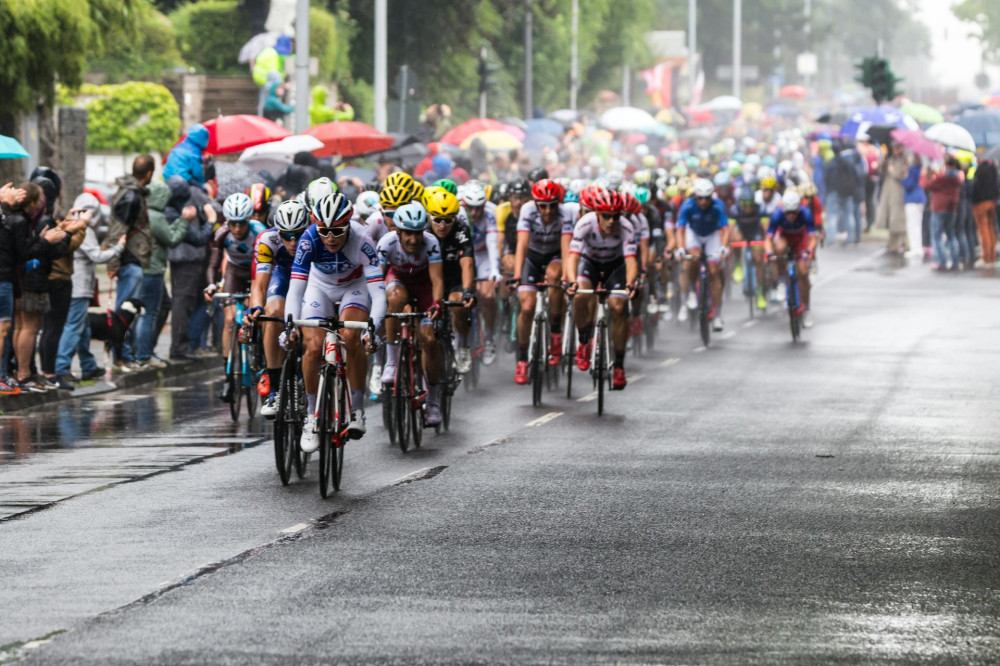
- Rain increases crash risk and favors riders with strong bike-handling skills.
- Heat can sap energy and demands careful hydration strategies.
- Cold can affect riders who struggle to stay warm, especially on long descents.
Always check the forecast for race day. Some riders excel in certain conditions — a rider from the Southwest might handle heat better, while one from the Pacific Northwest could thrive in rain and cooler temperatures. In U.S. events, where weather can vary dramatically from state to state, adaptability is key.
Form and Recovery
Even the best rider can have an off day. Evaluating form is therefore essential. Look at recent results, but also consider how the rider has managed their season.
- Did the rider just finish a demanding stage race and might be fatigued?
- Are they building form after a training block?
- How have they performed in similar races in the past?
In multi-day events, recovery becomes a decisive factor. Some riders grow stronger as the race progresses, while others fade. Understanding these patterns can help predict who will still have power in the final stages.
The Team and Tactics
Cycling is a team sport disguised as an individual one. A strong team can control the race, protect its leader, and chase down breakaways. A weak team can leave its captain isolated at critical moments.
Consider how the team typically races:
- Do they favor aggressive tactics and breakaways?
- Or do they prefer to control the peloton and set up a sprint?
- Do they have multiple potential leaders, or is everything built around one rider?
In American races, where smaller teams often compete against international squads, teamwork and communication can make a huge difference. Tactical alliances between teams can also shape the outcome, especially in one-day races where cooperation and rivalry intertwine.
History and Motivation
Some riders have a special connection to certain races. A past winner often returns with extra motivation, while others may use the event as preparation for bigger goals.
Check whether the race has national or personal significance. A U.S. rider competing on home soil — say, in the Maryland Cycling Classic or the Tour of Utah — may find an extra gear when the crowd is cheering. Motivation can be the hidden factor that turns a good performance into a great one.
Unpredictability – The Beauty of Cycling
Even with thorough analysis, cycling remains unpredictable. A crash, a puncture, or a tactical misstep can change everything. That unpredictability is what makes the sport so captivating — and why evaluation is never an exact science.
When analyzing a race, think in terms of probabilities, not certainties. The better you understand the many variables, the sharper your predictions will be — but there will always be room for the unexpected.
Læs også:

The Complete Picture – Seeing the Whole Race
Evaluating a cycling event means piecing together all the elements: course, weather, form, team, and motivation. No single factor stands alone; it’s the interplay between them that determines who crosses the finish line first.
By combining data, experience, and intuition, you can form a realistic picture of how a race might unfold — and maybe spot the dark horse that everyone else overlooks.
Læs også: