From Parade to Performance: How to Read Your Horse’s Condition Before the Start

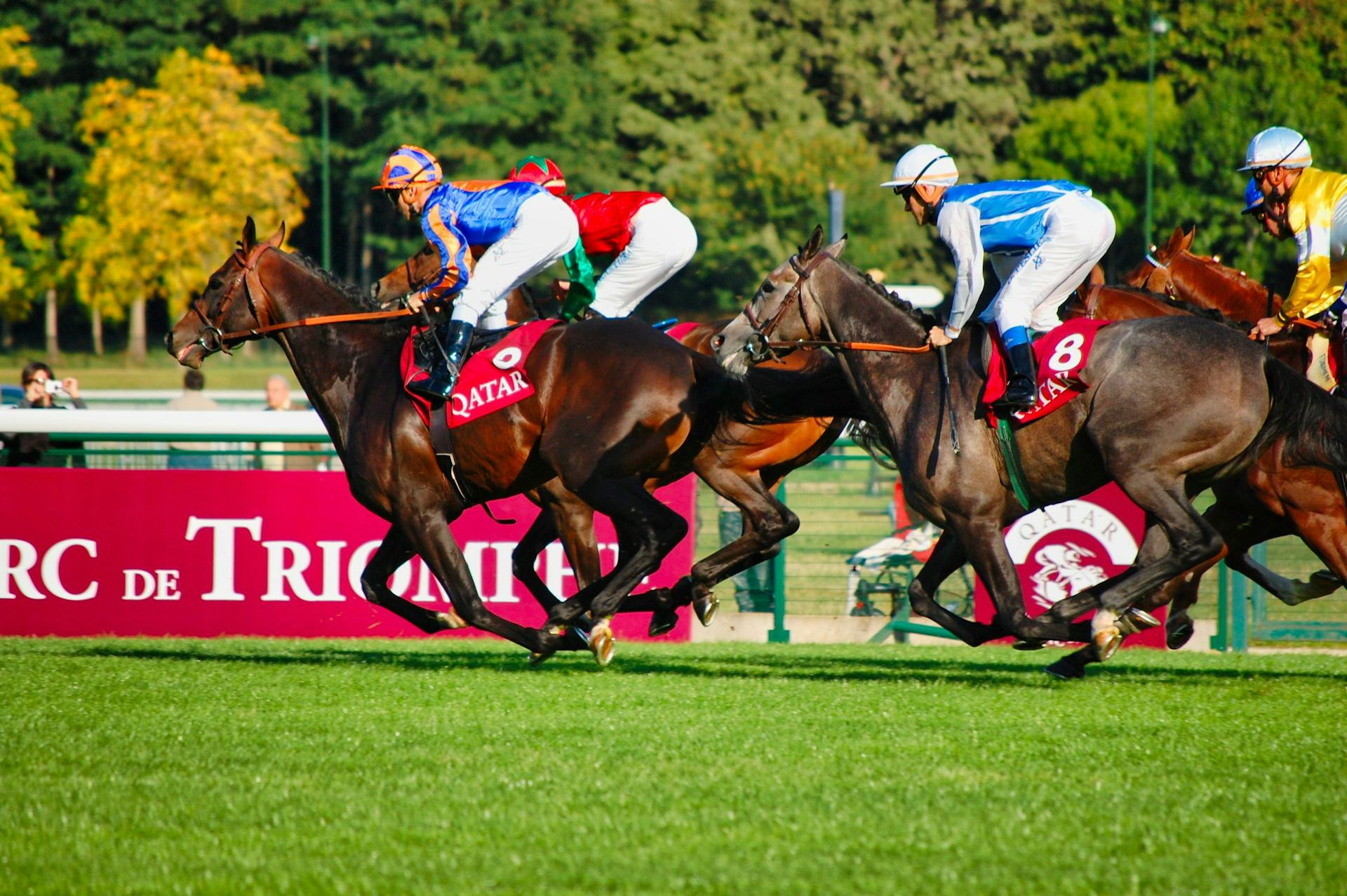
From Parade to Performance: How to Read Your Horse’s Condition Before the Start
For horse owners, trainers, and racing fans alike, the pre-race parade is more than a tradition—it’s a crucial moment to gauge a horse’s condition on the day. A horse may look perfect on paper, but its body language, energy, and demeanor often reveal the real story. Learning to read these signals takes practice and attention, but with a few key observations, you can become much better at assessing how ready a horse is before the gate opens.
First Impressions: Presence and Focus
When the horses step onto the track or into the paddock, your first impression matters. A horse in good form looks alert but composed—ears forward, eyes bright, and moving with confidence. It should appear comfortable in its surroundings and responsive to its handler or jockey without showing signs of agitation.
A dull or distracted horse, on the other hand, may carry its head low, show little interest in what’s happening, or seem sluggish. That can signal fatigue, discomfort, or lack of motivation. Conversely, a horse that’s overly keyed up—sweating heavily, tossing its head, or refusing to stand still—may have already spent too much energy before the race even begins.
Læs også:
The Body Tells the Story
A horse’s physique can reveal a lot about its current condition. Look for well-defined, supple muscles and a shiny coat—signs of health and fitness. The horse should move fluidly, with even strides and a relaxed rhythm. Stiffness, uneven steps, or a tendency to favor one leg can be warning signs of soreness or tension.
Sweat patterns also offer clues. A light sheen under the saddle or along the neck is normal, especially on warm days. But heavy sweating on the flanks or hindquarters can indicate nervousness or overheating. While not always a deal-breaker, it can affect performance if the horse expends too much energy before the start.
Behavior in the Paddock: Calm or Restless?
A horse’s behavior in the paddock or post parade often mirrors its mental state. A horse that walks calmly but attentively is usually mentally ready. It listens to its rider, responds to cues, and stays focused. One that constantly looks around, bites at the reins, or tries to pull away may be anxious or unsettled.
Temperament plays a big role here. Some horses perform best when they’re “on their toes,” showing a bit of fire, while others need calm to deliver their best effort. Knowing the individual horse’s personality helps you interpret what you see—what looks like nervous energy in one horse might be a sign of readiness in another.
The Warm-Up: The Final Clue
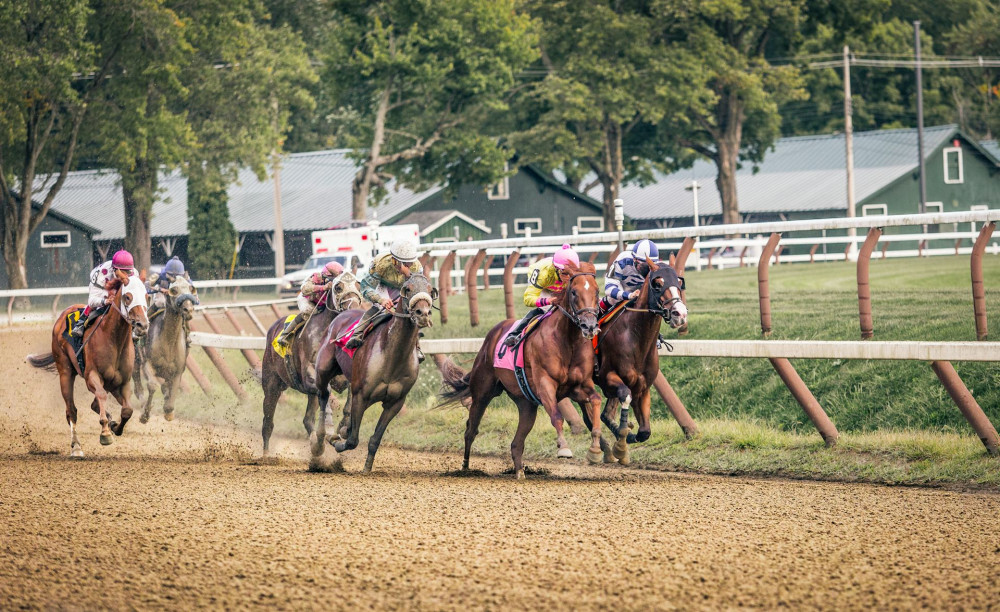
Watching the warm-up gives you a last chance to assess how the horse is moving that day. Look for a smooth, rhythmic stride and a horse that moves freely forward, taking hold of the bit without resistance. A horse that looks balanced and eager to run is usually in good shape. If it appears heavy, reluctant, or loses rhythm, something may be off.
Pay attention to the jockey as well. Experienced riders often test their mount’s responsiveness with small adjustments in pace or direction. If the jockey seems relaxed and satisfied, that’s generally a positive sign.
Track, Weather, and Temperament: The External Factors
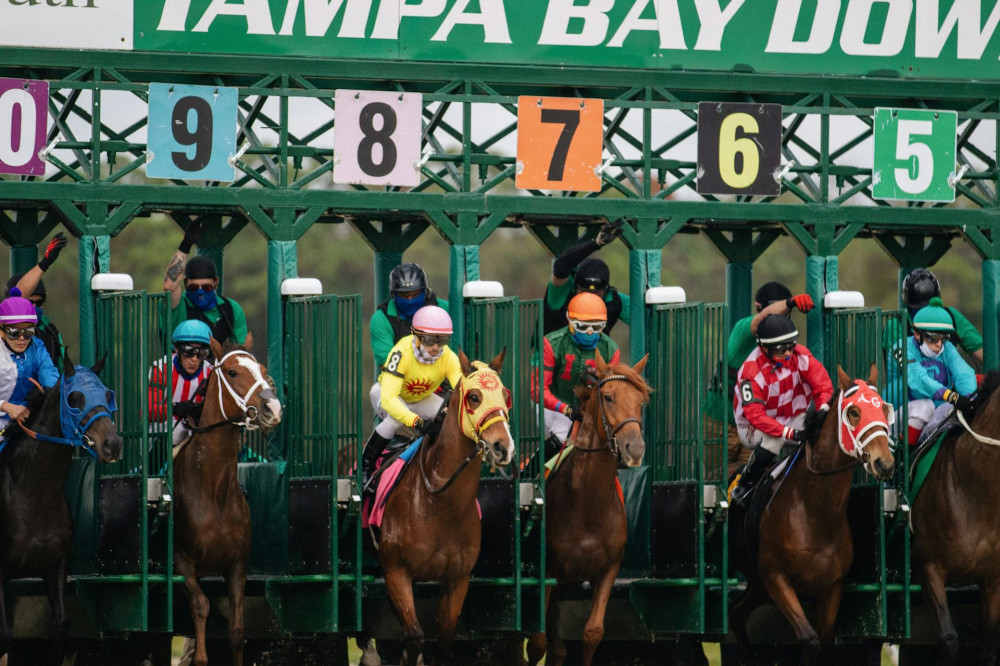
Even the best horse can have an off day, and external conditions matter. Some horses thrive on a fast, dry track, while others perform better on a deeper or wetter surface. Weather, wind, and temperature can all influence a horse’s comfort and focus. A horse that seems unsettled in cold wind or rain may struggle to find its rhythm.
Temperament and experience also count. Young or inexperienced horses can be overwhelmed by the noise, crowds, and commotion near the starting gate. A seasoned horse, by contrast, takes it all in stride. Watching how a horse handles these surroundings can tell you a lot about its readiness to compete.
Putting It All Together
Reading a horse’s condition isn’t about spotting one single sign—it’s about combining many small observations into a complete picture. A horse might look a bit excitable but still perform brilliantly if it moves freely and stays focused. Another might appear calm but lack the energy or drive to compete effectively.
The more races you watch, the better you’ll become at interpreting these signals. Keep notes on your observations and compare them with race results. Over time, you’ll start to recognize patterns that help you predict performance more accurately.
From Parade to Performance: Seeing the Invisible
Assessing a horse’s condition before a race is part science, part intuition. It’s about looking beyond statistics and past performances to focus on the living athlete in front of you. The parade isn’t just a show—it’s a window into the horse’s mind and body on that particular day.
When you learn to notice the subtle cues—from the flick of an ear to the rhythm of a stride—you gain a deeper understanding of what makes a great performance possible. And that’s where the true difference between parade and performance begins.
Læs også: