Before You Bet: How to Evaluate a Horse Race as a Whole

Before You Bet: How to Evaluate a Horse Race as a Whole
Betting on horse racing isn’t just about luck—it’s about insight. To evaluate a race properly, you need to look beyond individual horses and consider the entire picture: the track, the weather, the jockeys, and the field as a dynamic whole. A smart assessment begins long before the gates open. Here’s a guide to help you analyze a race so your wagers are more informed and your chances of success improve.
Know the Race Type and Distance
Start by understanding what kind of race you’re looking at. Is it a thoroughbred flat race, a harness race, or a quarter horse sprint? Each type demands different strengths from both horse and rider. Flat races often reward speed and acceleration, while harness races emphasize rhythm and endurance.
Distance is equally crucial. Short sprints favor quick starters, while longer routes test stamina and pacing. Review each horse’s past performances at similar distances—this can reveal where they’re most comfortable and competitive.
Track Conditions and Weather
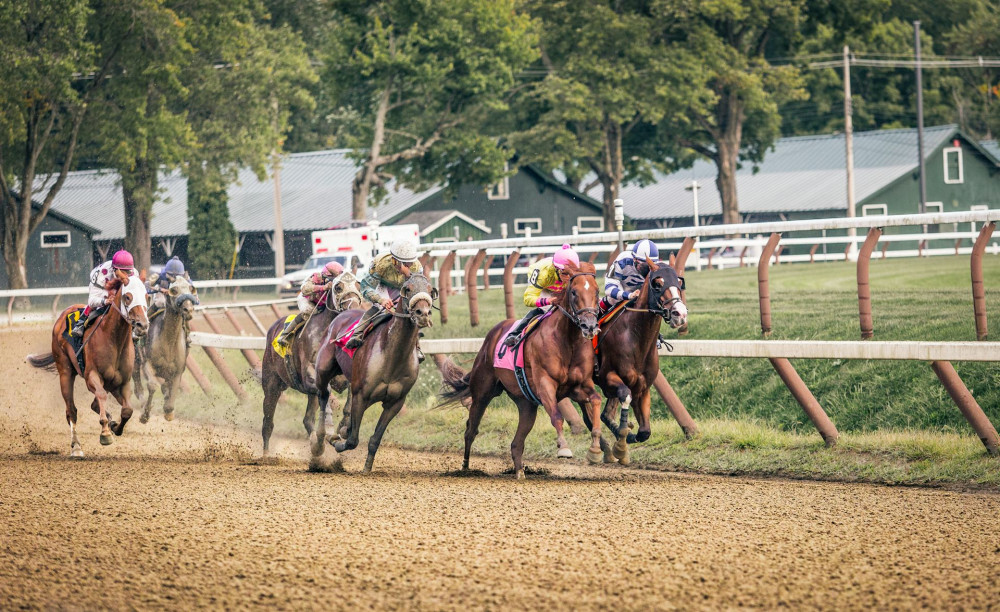
The track surface can change everything. A muddy or sloppy track after rain demands strength and balance, while a fast, dry surface benefits horses with explosive speed. Some horses have clear preferences for certain track conditions, so always check how they’ve performed under similar circumstances.
Weather also plays a role. Strong winds can affect pace, and hot, humid days can sap a horse’s energy. If you’re at the track, take time to watch the horses during the post parade and warm-up. Do they look alert and composed, or restless and fatigued? These small observations can tell you a lot.
The Field and Race Dynamics
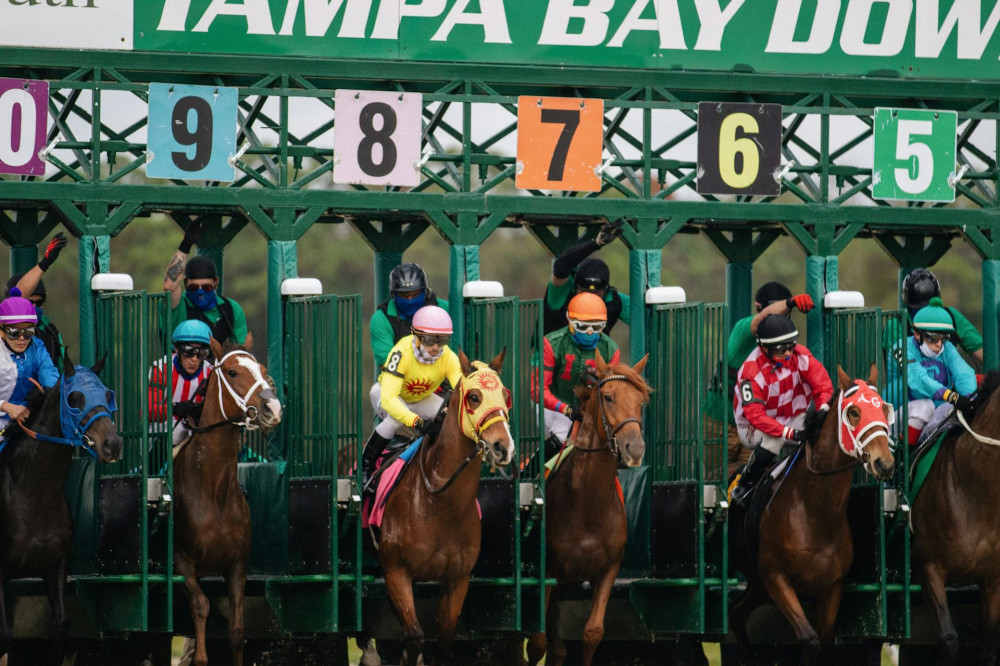
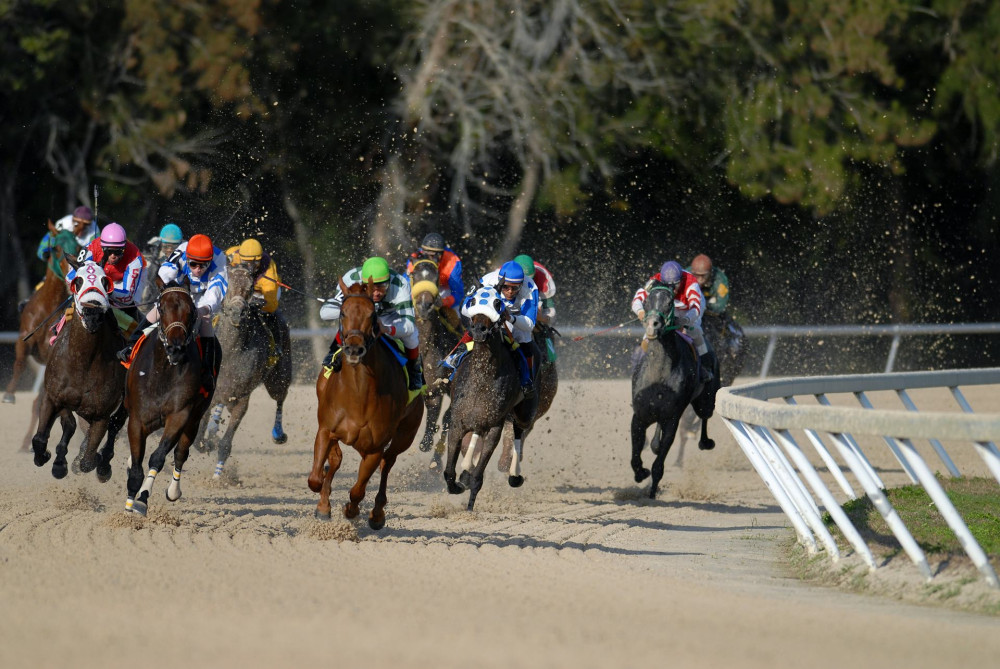
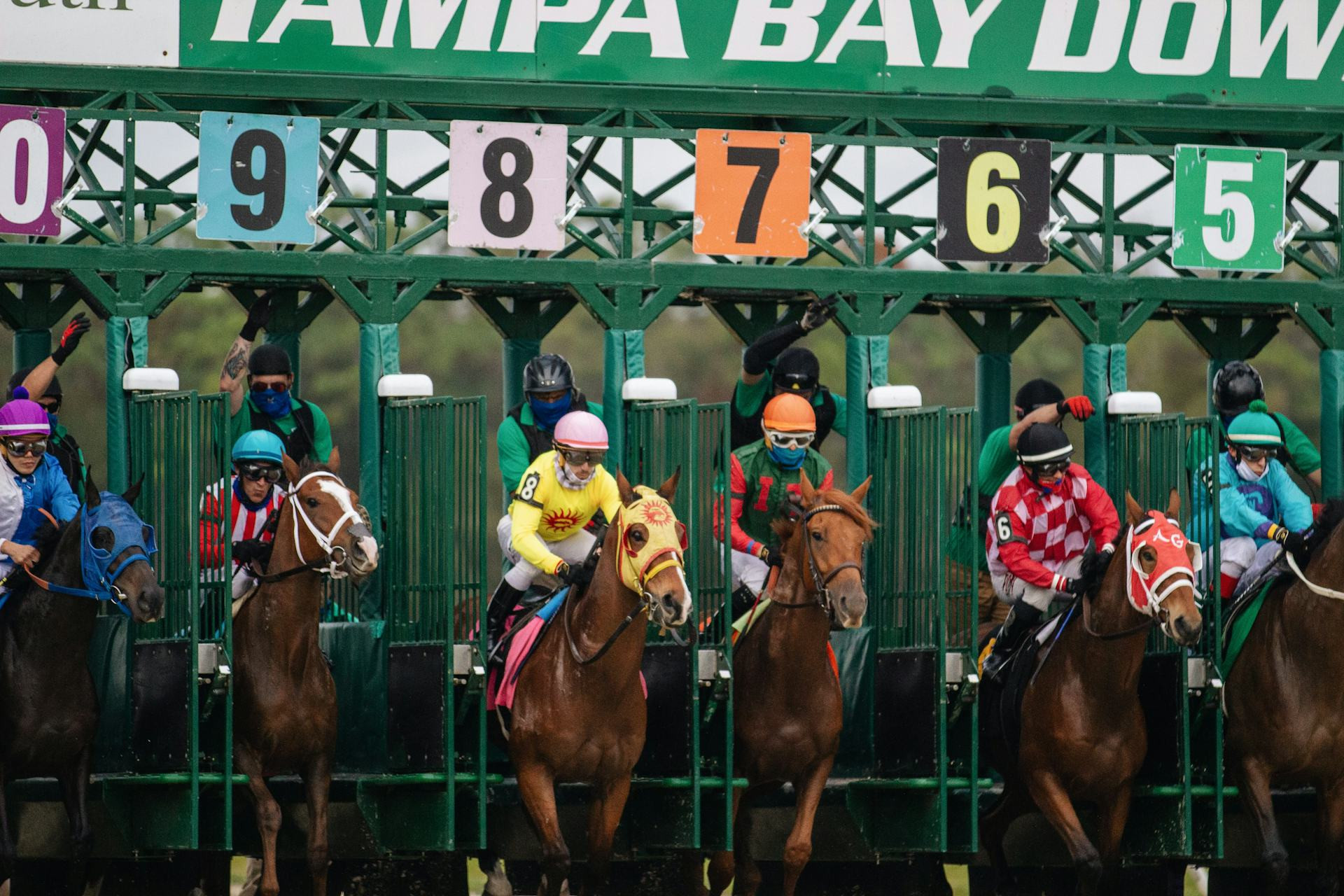
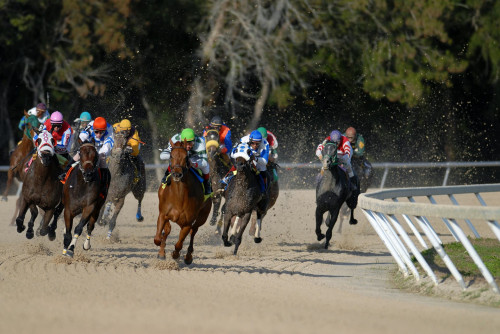
A horse race isn’t just a contest against the clock—it’s a tactical battle among competitors. The size and makeup of the field matter. Smaller fields often lead to more predictable outcomes, while larger ones can create traffic, shifting positions, and surprise results.
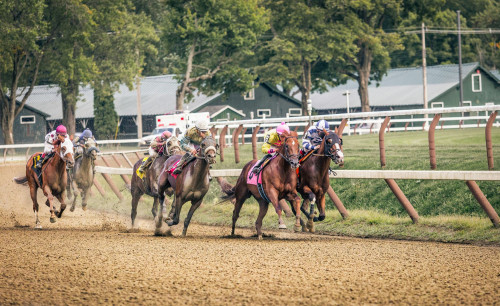
Study running styles. Some horses prefer to lead early, while others close from behind. If several horses share the same style—say, multiple front-runners—the pace could be faster than usual, setting up the race for a strong closer. Understanding these dynamics helps you anticipate how the race might unfold.
Læs også:
The Jockey’s Influence
Even the best horse can struggle without a skilled jockey. An experienced rider knows how to position the horse, judge the pace, and make split-second decisions. Check whether the jockey has ridden the horse before and how they’ve performed together. Also, look at the jockey’s record at the specific track—some riders excel on certain circuits or surfaces.
In harness racing, the driver’s ability to keep the horse in rhythm is critical. In thoroughbred racing, timing the final move can make all the difference. A jockey with good instincts can often turn a close race into a winning one.
Form and Recent Performance
A horse’s current form is one of the most telling indicators. Look at recent races—not just the finishing positions, but how the horse ran. A horse that finished fourth after a strong late run in a tough field might be in better shape than one that won an easier race.
Pay attention to layoffs, too. A horse returning after a long break might need a race to regain sharpness, but could also be fresh and well-prepared. Trainer comments and workout reports can offer valuable clues about readiness.
Trainer Strategy and Stable Trends
The trainer’s role is often underestimated. A good trainer knows how to condition a horse for specific distances, surfaces, and competition levels. Some trainers have remarkable records at certain tracks or during particular seasons—patterns worth noting.
If a trainer has multiple horses entered on the same card, there may be a broader strategy at play. Also, watch for “hot barns”—stables that have been producing winners recently. Momentum in a stable can be a sign that the horses are peaking at the right time.
The Odds and Market Perception
Odds reflect how the betting public views each horse’s chances—but they’re not always accurate. Favorites win often, but not always, and the best value lies in spotting horses the market underestimates. Compare your own analysis with the posted odds: if you believe a horse has a better chance than the odds suggest, that’s where potential value lies.
Still, stay realistic. Even the most thorough analysis can’t predict every outcome. Horse racing always carries an element of unpredictability—and that’s part of what makes it so exciting.
Seeing the Race as a Whole
Evaluating a horse race means piecing together many small details into one big picture. The track, the weather, the jockey, the horse’s form, and the field’s dynamics all interact in complex ways. The better you understand these connections, the more informed your betting decisions will be.
And remember: the best bet isn’t necessarily the one with the biggest payout—it’s the one made with knowledge, reasoning, and a clear understanding of the race as a whole.
Læs også: