Understanding the Odds: Using Cricket Betting as a Tool for Risk Assessment

Understanding the Odds: Using Cricket Betting as a Tool for Risk Assessment
When most Americans hear the word “betting,” they think of Las Vegas, football pools, or March Madness brackets—not a lesson in probability or decision-making. Yet sports betting, and cricket betting in particular, can serve as a surprisingly effective model for understanding how to assess and manage risk. Cricket, though less familiar in the U.S., is a sport rich in variables: weather, pitch conditions, player form, and tactical choices all influence the outcome. That complexity makes it an ideal case study for exploring how probabilities, data, and human judgment interact.
This article looks at how cricket betting can be used as a framework for learning about risk assessment—not to promote gambling, but to illustrate the principles behind rational decision-making under uncertainty.
Odds as a Measure of Probability
In betting, odds represent the likelihood of an event occurring. If a team is listed at 2.0 (or +100 in American odds) to win, the market is effectively saying that the team has about a 50% chance of victory. The lower the odds, the higher the implied probability—and vice versa.
Understanding odds means translating numbers into probabilities, a skill that applies far beyond sports. Whether you’re evaluating an investment, managing a project, or making a health-related decision, you’re essentially doing the same thing: estimating how likely an outcome is and weighing the potential consequences.
Cricket as a Complex Risk Model
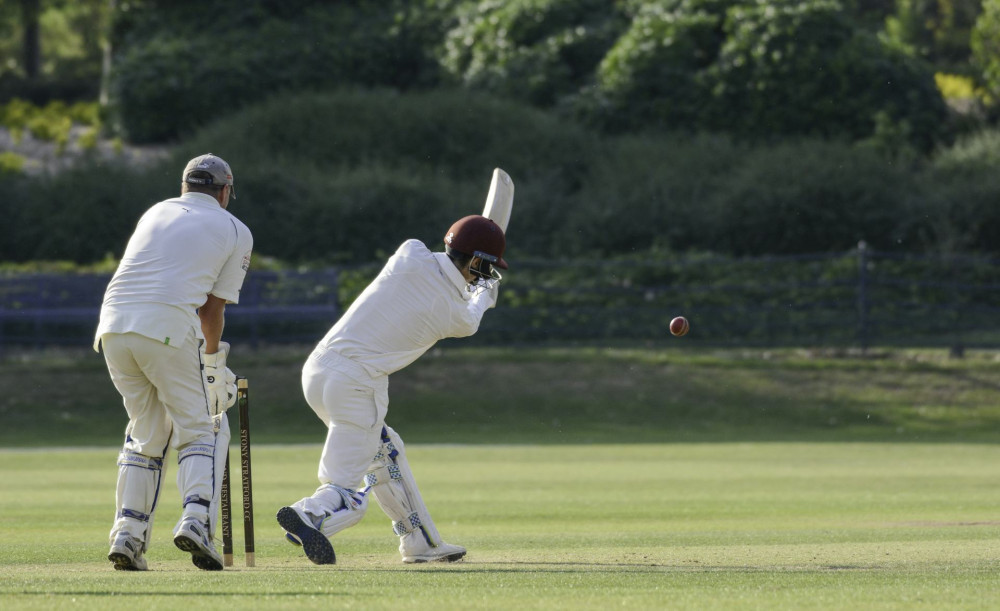
Cricket stands out among sports for its depth and unpredictability. Matches can last anywhere from a few hours to five days, and outcomes depend on a wide range of factors:
- Weather conditions – Rain, humidity, and wind can dramatically alter how the game unfolds.
- Pitch conditions – A dry surface favors spin bowlers, while a damp one benefits fast bowlers.
- Team composition – Some teams excel in batting, others in bowling or fielding.
- Match format – Test matches, One Day Internationals, and T20 games each demand different strategies.
Analyzing these variables to estimate the likelihood of a result is, in essence, risk assessment. You gather data, evaluate uncertainties, and make decisions with incomplete information—just as professionals do in finance, engineering, or public policy.
From Betting to Simulation: Learning Through Scenarios
Working with odds and scenarios in cricket can function as a kind of simulation exercise. You can pose “what if” questions: What happens if a key player is injured? How does the probability shift if rain is forecast?
By adjusting variables and observing how probabilities change, you learn to think in terms of risk scenarios. This mirrors techniques used in business and finance, where analysts test how portfolios or projects respond to different market conditions.
In this way, cricket betting becomes a microcosm of risk management—a safe environment to practice analytical thinking without real-world consequences.
The Human Factor
Even the most sophisticated models can’t predict everything. In cricket, as in life, intuition, experience, and psychology play crucial roles. A team might defy expectations, a player might find sudden form, or an umpire might make a surprising call.
Accounting for the human factor is a vital part of risk assessment. It reminds us that data and probabilities are tools, not guarantees. The best decisions often combine analysis with sound judgment and adaptability.
Ethical and Responsible Use
While cricket betting can serve as a learning tool, it’s important to emphasize that gambling with real money carries inherent risks. The goal here is not to encourage betting, but to use its underlying logic to better understand probability and decision-making.
If you choose to explore betting markets as an educational exercise, do so responsibly—treat it as a simulation, not a financial strategy.
Læs også:

From Cricket to Everyday Life
The same principles that apply in cricket betting can be applied to everyday choices. When you decide whether to change jobs, invest in a business, or pursue a new opportunity, you’re performing a form of risk assessment. You estimate probabilities, weigh potential outcomes, and make a decision under uncertainty.
By learning how odds work and how to analyze variables, you can become more confident in making informed decisions—on the field, in your finances, and in life itself.
Læs også: