Data and Weather: Understanding How Strategy and Conditions Affect Race Outcomes


Data and Weather: Understanding How Strategy and Conditions Affect Race Outcomes
In modern motorsport, victory is rarely a matter of luck. Behind every race lies a complex interplay of data, strategy, and external factors such as temperature, wind, and rain. For teams, drivers, and fans alike – including those who analyze or bet on race outcomes – understanding these elements is key to predicting who will stand on the top step of the podium.
Data as the Key to Insight
Today’s race cars are rolling laboratories. Sensors capture thousands of data points every second, measuring everything from tire temperature and fuel consumption to aerodynamic load and engine performance. Engineers monitor this information in real time, adjusting strategy as conditions evolve.
For instance, a team might notice that tire wear is higher than expected and decide to pit earlier than planned. Or they might detect that a rival is losing speed in certain corners, creating an opportunity to attack. Data isn’t just numbers – it’s the foundation for decisions that can determine the outcome of a race.
Læs også:


Weather – The Unpredictable Variable
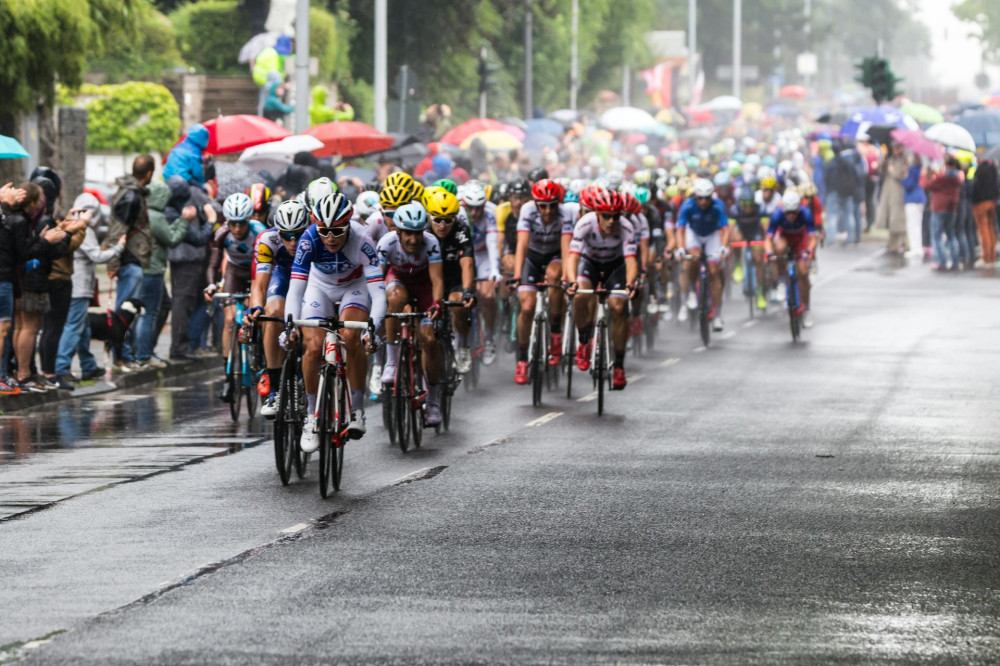
Even with the best data, weather can turn everything upside down. Rain, temperature, and wind direction all affect grip, tire choice, and fuel efficiency. A sudden downpour can transform a comfortable lead into a scramble of pit stops and split-second decisions.
In Formula 1, NASCAR, and endurance racing alike, there have been countless examples of teams winning because they switched to the right tires at exactly the right moment. In rally racing, weather plays an even greater role, as conditions can change dramatically between the start and finish of a stage.
For analysts and fans who follow the sport closely, tracking forecasts, track temperature, and humidity is essential. Even small changes can have major consequences.
Strategy: When Timing Is Everything
Race strategy is as much about timing as it is about speed. When should a driver pit? Which tires should be used? Should a team push hard early or save energy for the final laps?
A classic example is when a team decides to stay out on track while others pit – a risky move that can pay off if a caution period or weather change occurs. The best strategies often blend data-driven analysis with intuition and experience.
For those studying race outcomes, it’s important to look beyond qualifying times and past results. A team with sharp strategic instincts can win even without the fastest car.
The Track’s Character and Its Impact
Every track has its own personality. Some are fast and favor low downforce setups, while others are tight and technical. Elevation changes, asphalt texture, and even the time of day can influence how cars behave.
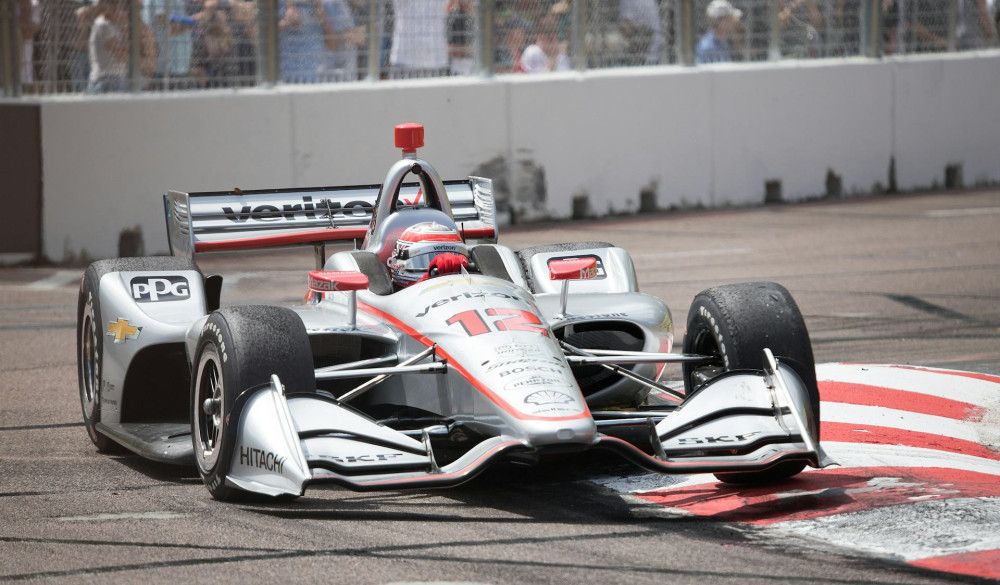
A team that dominates on a high-speed oval may struggle on a short, twisty street circuit. That’s why it’s crucial to consider how a car and driver combination suits a particular track. Historical data from previous races at the same venue can offer valuable clues about who might have the upper hand.
When Everything Comes Together
It’s at the intersection of data, strategy, and conditions that motorsport becomes truly captivating. A race can change character in seconds, and it’s this unpredictability that keeps fans on the edge of their seats – and analysts constantly refining their models.
Understanding how weather, track, and strategy interact is the key to seeing patterns where others see only chaos. That’s where knowledge turns into prediction – and prediction can turn into victory.
Læs også: