Crowd and Home Advantage – Factors That Can Decide the Outcome in Tennis

Crowd and Home Advantage – Factors That Can Decide the Outcome in Tennis
When two players face each other on a tennis court, it’s not just about technique, fitness, and tactics. Psychological and external factors often play a decisive role—and among the most influential are the crowd and the home advantage. In a sport where margins are razor-thin, the energy from the stands or the comfort of familiar surroundings can tip the balance.
Home Advantage – More Than Familiar Surroundings
In many sports, home advantage is a well-known concept, and tennis is no exception. Even though players compete individually, the environment can make a significant difference. Playing on a court you know brings a sense of comfort—you understand how the ball bounces, how the light shifts, and how the wind moves.
There are also practical benefits: no time zone changes, no jet lag, and the chance to sleep in your own bed. These may seem like small details, but in a sport where matches can hinge on a few points, they can be the difference between victory and defeat.
The Crowd as the Invisible Teammate
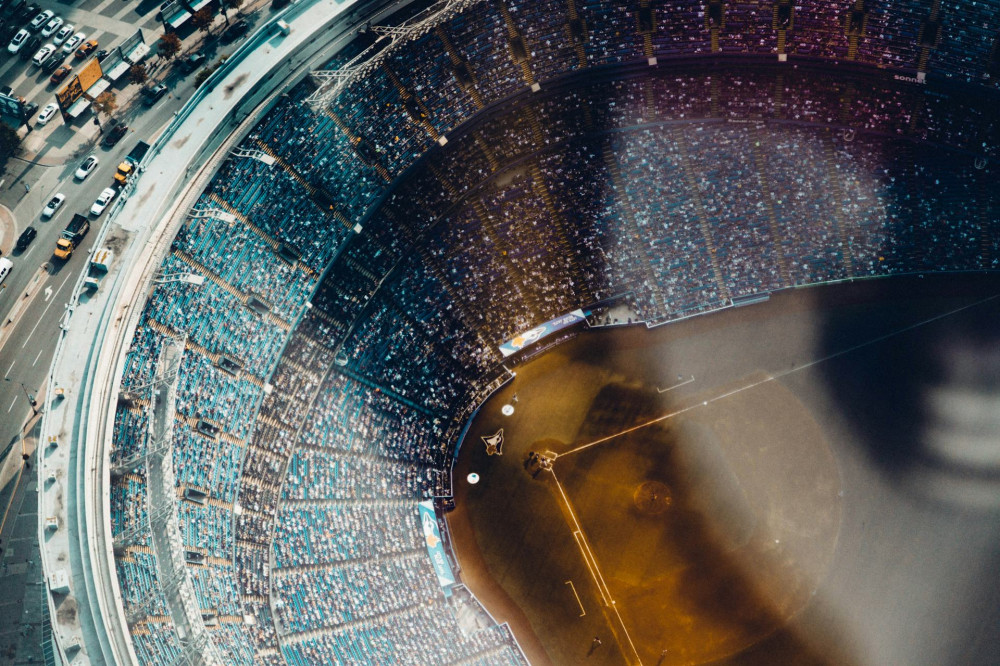
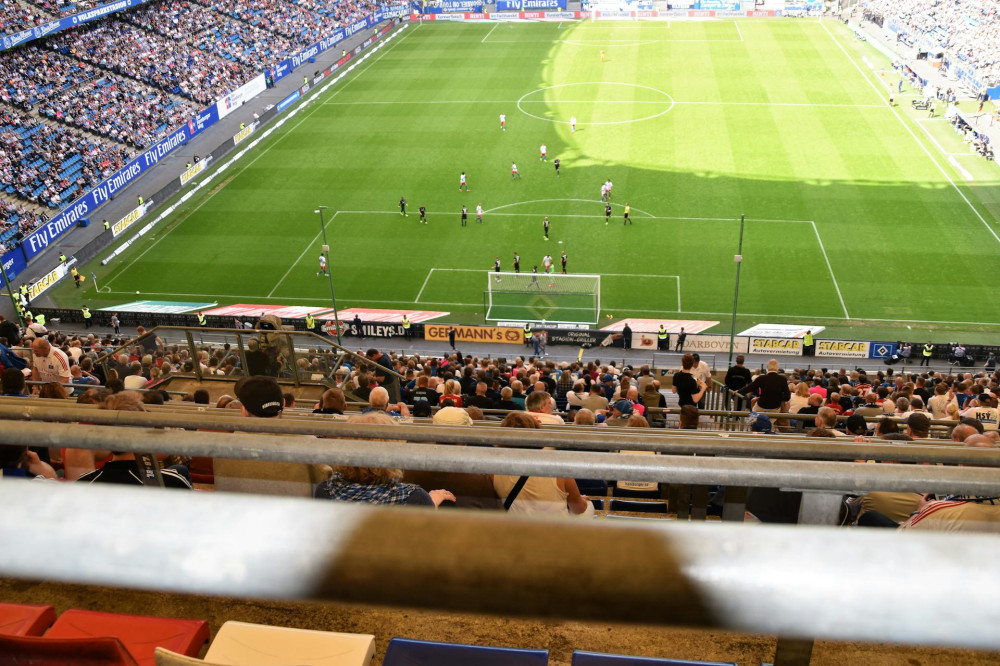
The crowd can act as an invisible teammate—not by hitting the ball, but by shaping the atmosphere. A passionate home audience can lift a player under pressure and inject energy at crucial moments.
For the opponent, however, it can be a challenge. Boos, cheers after errors, and constant noise can disrupt concentration. Even at the highest level, players sometimes lose focus when the crowd becomes too intense.
But it’s not always negative. Some players thrive in adversity and use a hostile crowd as motivation. It comes down to personality and mental strength—two factors that often separate the great from the good.
National Events and the Weight of Representation
When players represent their country—such as in the Davis Cup or the Billie Jean King Cup—the home advantage becomes even more pronounced. They’re not just playing for themselves but for an entire nation. The crowd becomes more than spectators; they become part of the team, and the atmosphere can be electric.
This kind of support can provide a huge boost, but it can also bring pressure. Expectations from fans and media can weigh heavily, especially on favorites. It takes mental resilience to handle both the euphoria and the responsibility that come with playing on home soil.
The Surface Factor – A Technical Home Advantage
Home advantage isn’t only about the crowd; it’s also about the surface. Some players grow up on clay, others on hard courts or grass. When a tournament is played on a surface that suits a player’s style, it can feel like home—no matter where in the world they are.
For instance, American players often feel most comfortable on hard courts, the dominant surface in the U.S. From the college circuit to the U.S. Open, familiarity with the bounce and speed of hard courts can provide a subtle but real edge. Similarly, European players raised on clay may find themselves at home during the spring clay season.
Læs også:
The Mental Game – Turning Pressure into Power
Playing in front of a large crowd can be both a gift and a challenge. Some players get nervous when thousands of eyes follow every move, while others rise to the occasion. Sports psychologists often work with players to channel the crowd’s energy constructively—to see the noise as support rather than distraction.
Visualization, breathing techniques, and between-point routines can help maintain focus. The best players manage to block out distractions when it matters most, yet still draw strength from the atmosphere when it helps.
When Home Becomes a Trap
Although home advantage is often beneficial, it can also become a trap. Expectations from the crowd can create extra pressure, especially for top-ranked players. Many have experienced “wanting it too much” in front of their home fans—only to tighten up and underperform.
Finding the balance between enjoying the support and staying calm is an art. It takes experience and mental discipline to turn home advantage into a strength rather than a burden.
Conclusion: The Crowd and Home as Invisible Forces
In tennis, it’s easy to focus on technique, strategy, and physical ability, but the invisible factors—the crowd, the environment, and the mental state—can be just as decisive. Home advantage is never guaranteed, but when used effectively, it can provide that extra push that makes the difference in close matches.
For players and coaches alike, understanding and managing these factors is essential—not as coincidences, but as integral parts of the game’s psychology and dynamics.
Læs også: