Bankroll Management: The Key to Lasting Success in Hockey Betting


Bankroll Management: The Key to Lasting Success in Hockey Betting
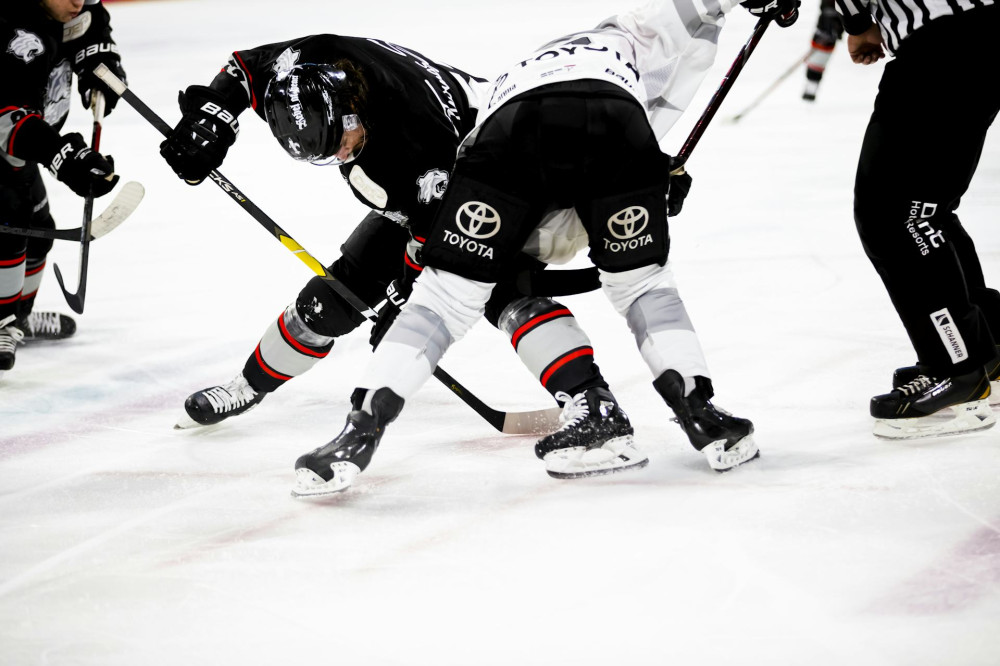
Hockey is one of the fastest, most unpredictable sports in North America. A single power play, a deflection, or a hot goalie can completely change the outcome of a game. That unpredictability is part of what makes betting on hockey so exciting—but it’s also what makes it risky. No matter how well you know the teams, stats, or trends, one factor separates long-term winners from those who burn through their funds too quickly: bankroll management. It’s not just about how much you bet—it’s about how you manage your money over time. And that’s the real key to lasting success.
What Is Bankroll Management?
Bankroll management simply means controlling your betting funds—your “bankroll”—and allocating them wisely so you can handle losses and take advantage of winning streaks. Instead of betting impulsively or letting emotions drive your decisions, you set clear rules for how much you wager and how you adjust your bets.
A common rule of thumb is to risk only a small percentage of your total bankroll on any single wager—usually between 1% and 5%. That way, even a losing streak won’t wipe you out, and you’ll stay calm and disciplined enough to make smart, data-driven decisions.
Why It Matters in Hockey Betting
Hockey is a high-variance sport. Even the best teams lose games they “should” win, and underdogs often pull off surprising upsets. A single bounce of the puck can decide a game. Because of that volatility, having a solid bankroll strategy is essential.
Without it, it’s easy to fall into emotional traps—like “chasing losses” after a bad night or doubling down on a hunch. That’s how bettors lose control. With a clear plan for how much you’re willing to risk, you can stay disciplined, think long-term, and avoid the emotional rollercoaster that ruins so many betting accounts.
Setting Up Your Bankroll
Before placing your first bet, decide how much money you’re comfortable setting aside for hockey betting—and only use funds you can afford to lose. Think of it as an entertainment budget or an investment in your hobby, not a get-rich-quick scheme.
Once you’ve set your bankroll, divide it into units. For example, if your bankroll is $1,000, one unit might be $10 (1%). This makes it easier to track your bets and adjust your stake sizes as your bankroll grows or shrinks.
Læs også:



Units and Betting Strategies
Working with units helps you manage risk consistently. There are several common staking strategies you can use, depending on your experience and risk tolerance:
- Flat betting – You wager the same amount on every game, regardless of confidence level. This approach provides stability and protects you from big swings.
- Proportional betting – You adjust your bet size based on your current bankroll. If your bankroll increases, your bets grow slightly; if it decreases, your bets shrink. This keeps your risk level steady.
- Value-based betting – You increase your stake slightly when you believe the odds offer strong value, but always within your predetermined limits.
Whichever method you choose, the key is consistency. Stick to your plan and avoid impulsive decisions based on emotion or short-term results.
Track Your Results
One of the most overlooked aspects of bankroll management is record-keeping. Keep a log of your bets, including the amount wagered, the odds, and the outcome. Over time, this data will reveal where you’re performing well and where you might need to adjust.
By analyzing your results, you might discover that you’re more successful betting on totals than moneylines, or that you overvalue home teams. These insights can help you refine your strategy and improve your long-term performance.
Psychology and Discipline
Even the best strategy won’t work if you can’t control your emotions. Wins and losses affect everyone, but bankroll management helps you stay balanced. When you know you’re only risking a small portion of your funds, it’s easier to accept losses as part of the game.
Discipline is just as important as analysis. Trust your plan, even when results fluctuate. The most successful bettors aren’t the ones who win every night—they’re the ones who stay calm, think long-term, and manage their money wisely.
A Strategy for Long-Term Success
Bankroll management doesn’t guarantee profits, but it’s your best defense against major losses. It allows you to bet responsibly, learn from experience, and enjoy the game without unnecessary stress.
Hockey betting is ultimately about combining knowledge, analysis, and discipline. With a solid bankroll strategy, you’ll have the foundation to weather both hot streaks and cold spells—and keep your betting experience sustainable and enjoyable for the long haul.
Læs også: