Adaptation in the Ring – Assessing the Boxer’s Ability to Change Strategy

Adaptation in the Ring – Assessing the Boxer’s Ability to Change Strategy
In boxing, physical strength and technical skill are essential—but it’s the ability to adapt that often separates the good from the truly great. A fight rarely unfolds exactly as planned, and even the most carefully crafted strategy can crumble when an opponent brings something unexpected. That’s why a boxer’s capacity to read the situation, adjust the pace, and shift tactics in real time is one of the sport’s most fascinating and decisive skills.
From Game Plan to Improvisation
Before stepping into the ring, a boxer and their coaching team usually have a detailed plan: how to attack, which weaknesses to exploit, and how to control the tempo. But as the old saying goes, no plan survives the first punch.
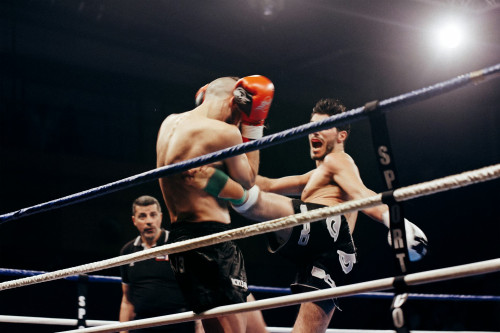
When the opponent turns out to be faster, stronger, or more unpredictable than expected, the boxer must improvise. Doing so requires both experience and composure—especially when the heart is racing and adrenaline is surging. The best fighters manage to stay calm, make adjustments, and maintain rhythm even under intense pressure.
Reading the Opponent
Adaptation begins with observation. A skilled boxer studies the opponent’s movements, rhythm, and reactions. Small details—how the opponent breathes, positions their feet, or responds to a jab—can reveal a lot.
Many fighters use the early rounds as a kind of “data collection,” testing different attacks to see how the opponent reacts. This allows them to gradually refine their approach, landing cleaner shots while minimizing risk. It’s a process that blends instinct with analysis, turning the ring into a living chessboard.
Læs også:

Mental Strength and Tactical Flexibility
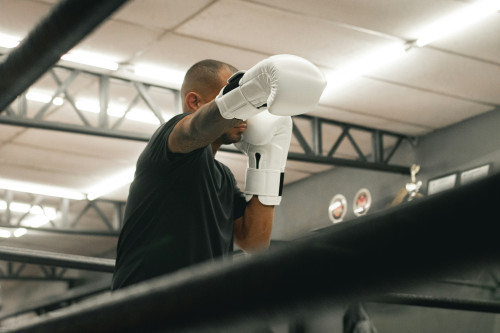
The ability to change strategy isn’t just about technique—it’s also about mental resilience. A boxer who becomes frustrated when the plan fails is more likely to make mistakes. The one who stays calm and thinks clearly under pressure gains a huge advantage.
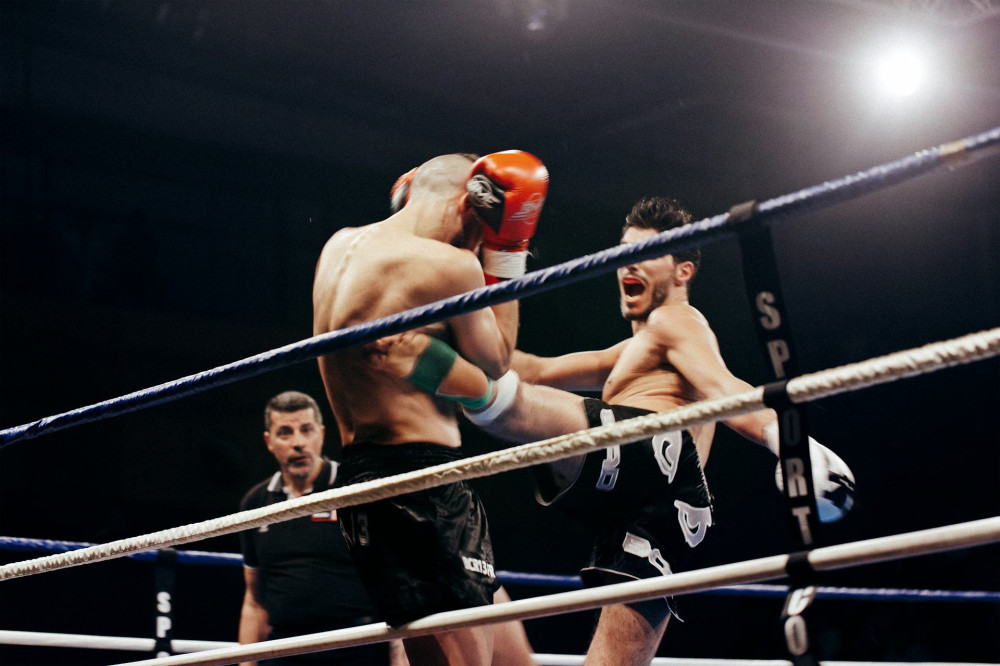
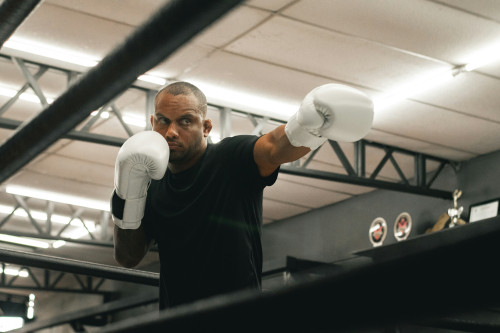
Tactical flexibility can take many forms: switching from offense to defense, changing distance or tempo, altering punch combinations, or using more movement instead of power. The key is to find the balance between playing to one’s strengths and neutralizing the opponent’s.
Training the Art of Adaptation
Adaptability in the ring isn’t purely a natural gift—it can be trained. Many coaches design drills that deliberately place fighters in uncomfortable situations: facing taller opponents, relentless pressure fighters, or those with unpredictable styles. The goal is to force the boxer to think, react, and adjust on the fly.
Sparring with a variety of partners is one of the most effective ways to build this skill. The more styles a boxer encounters, the better they become at recognizing patterns and finding solutions in the heat of battle. American gyms, from Los Angeles to Philadelphia, often emphasize this diversity, exposing fighters to a wide range of techniques and temperaments.
Lessons from the Greats
Boxing history is full of champions who turned fights around through tactical adaptation. Some changed the pace to wear down aggressive opponents; others shifted from attacking to counterpunching to exploit openings. What they all shared was the ability to stay mentally flexible and trust their instincts when the original plan stopped working.
This quality is what makes boxing more than just a physical contest—it’s a test of strategy, psychology, and timing. The greats don’t just fight; they think, adjust, and evolve with every round.
Adaptation as the Key to Victory
In the end, adaptability is what separates the average fighter from the master. The boxer who can read the ring like a strategist, anticipate shifts in momentum, and change approach when needed stands the best chance of victory.
For trainers, fans, and analysts alike, it’s worth remembering that the outcome of a fight often hinges on this very skill: who can think faster, act smarter, and adapt when the punches start to fly.
Læs også: